Nov 25, 2025
Why Color Is Sometimes Better Than Black and White – A Different Perspective
As a photographer, I currently work mostly in black and white because it allows me to better control light, shadow, and textures, and to deliberately shape the emotional impact of my subjects. Black and white photography undoubtedly has its strengths: it reduces the image to its essential forms and often creates a timeless, intense atmosphere.
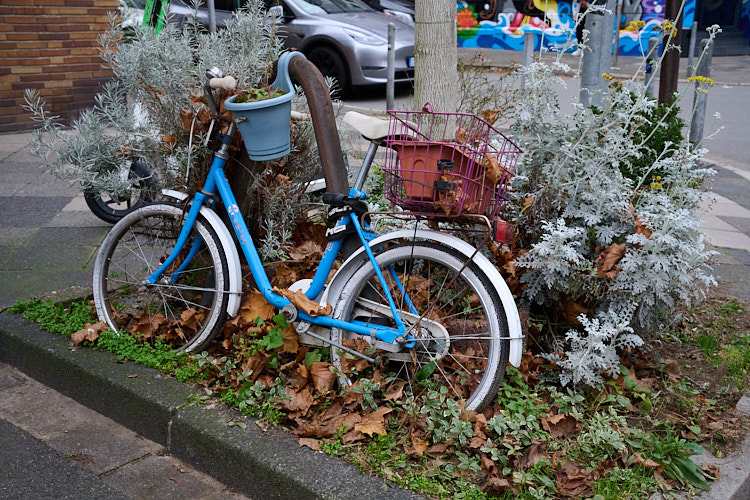
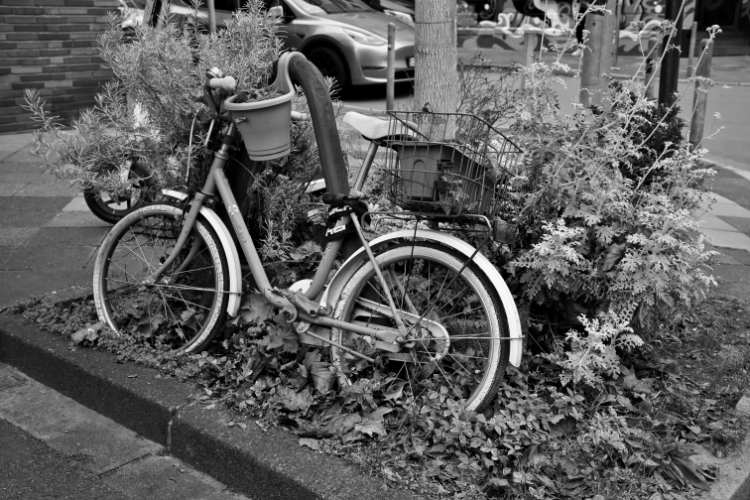
However, this example shows the limits of that approach. The blue bicycle, surrounded by plants and autumn leaves, only gains character and storytelling power through its color. The bright blue becomes an emotional anchor, giving the image a playful, almost fairy-tale-like mood. The colors differentiate the scene, create visual hierarchies, and convey information that is lost in the black and white version.
In comparison, the black and white image feels calmer and more contemplative, emphasizing shapes and textures but losing the vibrancy and charm that color provides. This shows that color is not just decorative—it can be a central element of the image’s message.
Often on social media, black and white photography is portrayed as the more authentic, intellectual, or even “true” form of photography. I don’t share this view. For me, color and black and white are equally important stylistic tools that I use deliberately to create the work I envision. They are just as essential as composition, light, shadow, and texture—and absolutely equal in value.